Nutrition While Training For The EBC
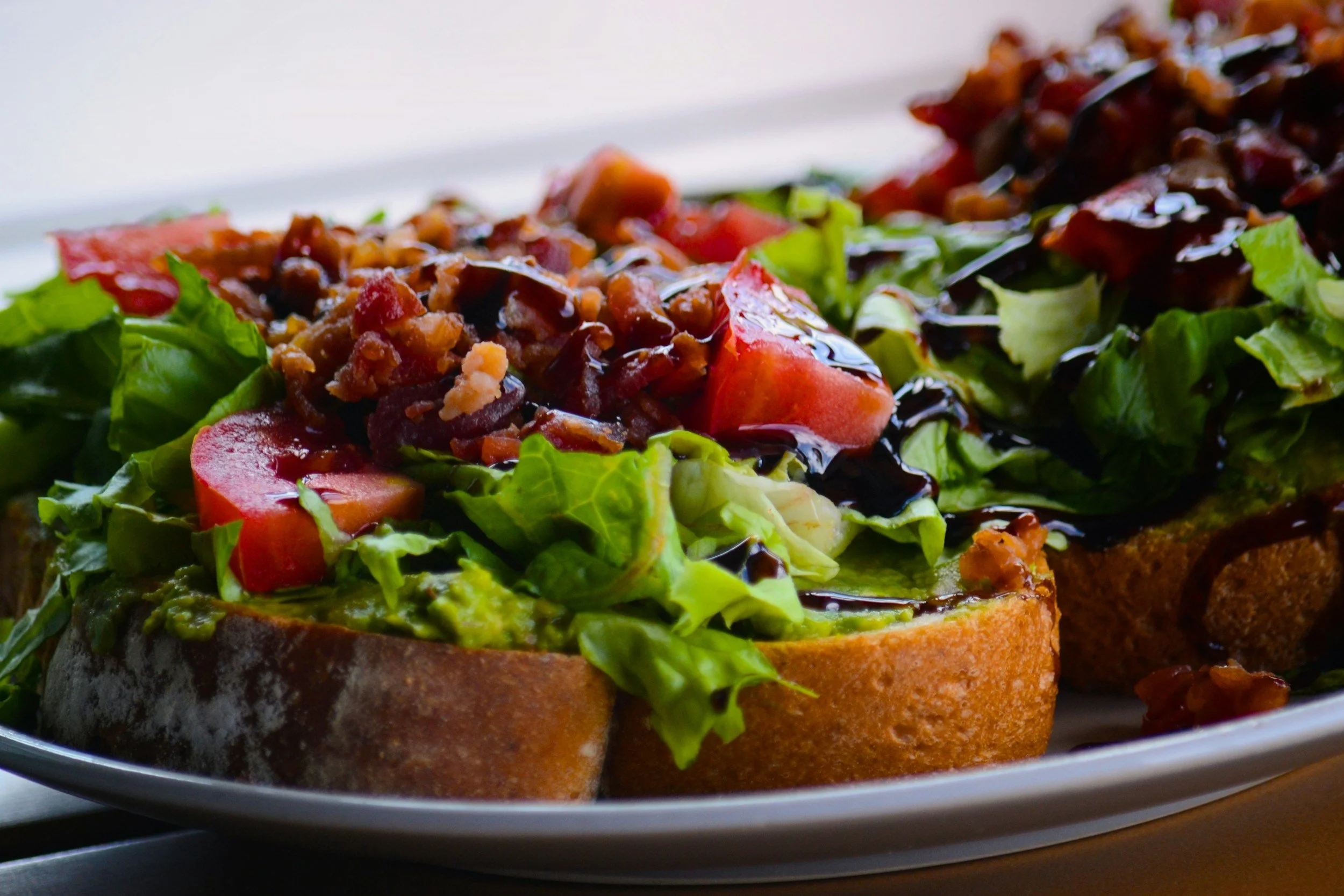
As my training ramps up for Everest Base Camp, nutrition has quietly become just as important as time on the treadmill or under a pack. I’m not following anything extreme or trendy. I’m eating with intention, supporting the work I’m doing, and making sure my body actually has what it needs to recover and adapt.
What’s changed most is awareness. I’m paying attention to how food affects my energy, my recovery, and how I feel day to day. Training volume exposes gaps fast, and if I don’t eat well, my body lets me know.
Caloric Intake
I’m eating more than I used to, and that’s been a mental adjustment. When training volume goes up, under-fueling catches up quickly. Fatigue feels heavier. Recovery slows down. Workouts suffer.
I’m not obsessing over numbers, but I am making sure I’m consistently eating enough to support longer incline sessions, rucking, and strength work. The goal isn’t weight loss. It’s performance and sustainability.
A few things I’m keeping in mind:
I’m fueling workouts, not earning food afterward
I eat enough earlier in the day so I’m not playing catch-up at night
Carbs aren’t the enemy. They’re fuel
If I feel flat or sluggish for multiple days, that’s usually a sign I’m not eating enough, not that I need to train harder.
Protein Focus
Protein has been a big priority, especially with the amount of leg and endurance work I’m doing. Recovery matters, and protein supports that.
We’re trying to keep most of my protein intake plant-based. Not perfect, but intentional. Beans, lentils, tofu, tempeh, quinoa, and legumes show up often. I still allow flexibility, but the base is plants.
What that looks like in practice:
Protein with every meal
Plant-based sources first
Spreading protein across the day instead of loading it all at once
This approach has helped with recovery without feeling heavy or restrictive.
Keeping It Simple
I’m not overcomplicating meals. Training already takes enough mental energy. Food needs to be easy, repeatable, and enjoyable.
I focus on:
Whole foods most of the time
Meals that don’t spike and crash my energy
Eating consistently, not perfectly
If I miss a meal or eat something less ideal, I don’t spiral. I just get back to the routine at the next opportunity.
Nutrition has become part of my training, not something separate from it. Eating well helps me show up consistently, recover faster, and stay mentally steady. It’s also reinforcing the bigger shift I’m feeling overall. More intention. Less rush. Better awareness of what my body actually needs.
Sample Training Menu
This is a flexible framework. Portions scale based on training volume and hunger.
Breakfast
Oatmeal made with milk or soy milk
Chia seeds or ground flax
Berries
Spoon of nut butter
or
Greek yogurt bowl
Granola
Fruit
Honey or maple syrup
or
Two eggs
Whole-grain toast
Avocado or sautéed greens
Mid-Morning Snack
Apple or banana
Handful of almonds, walnuts, or cashews
or
Cottage cheese with fruit
Lunch
Quinoa or farro bowl
Roasted vegetables
Chickpeas or lentils
Feta or goat cheese
Olive oil or tahini
or
Veggie wrap
Hummus
Roasted veggies
Spinach or arugula
Side of yogurt or cottage cheese
Dinner
Tofu or tempeh bowl
Steamed or stir-fried vegetables
White or brown rice
or
Lentil or chickpea curry
Basmati rice
Yogurt or raita on the side
or
Egg-based bowl
Soft-boiled or scrambled eggs
Rice
Sautéed greens or vegetables