Preparing for Everest Base Camp, Mentally
As much as I’m training my body for Everest Base Camp, I’m spending a lot of time thinking about how I’m preparing mentally too. What’s interesting is that this trip is already changing me, and I haven’t even left yet. I can feel a shift happening. I’m slowing down. I’m more focused. I’m paying attention to things I usually rush past. It all feels very intentional in a way that’s hard to ignore.
Nepal is a place where spirituality isn’t something separate from daily life, and I’m really aware of that going into this trip. I’m not trying to turn this into something poetic or mystical. I just want to understand where I am and what these places mean to the people who live there. That feels important if I’m going to walk through their country for weeks at a time.
Before the trek even starts, I’ll spend time in Kathmandu, and honestly, I think that part matters just as much as the hiking. Durbar Square has been a center of life in the city for centuries. It’s where religion, politics, and everyday routines overlap, and I’m looking forward to just walking through it and taking it in without an agenda.
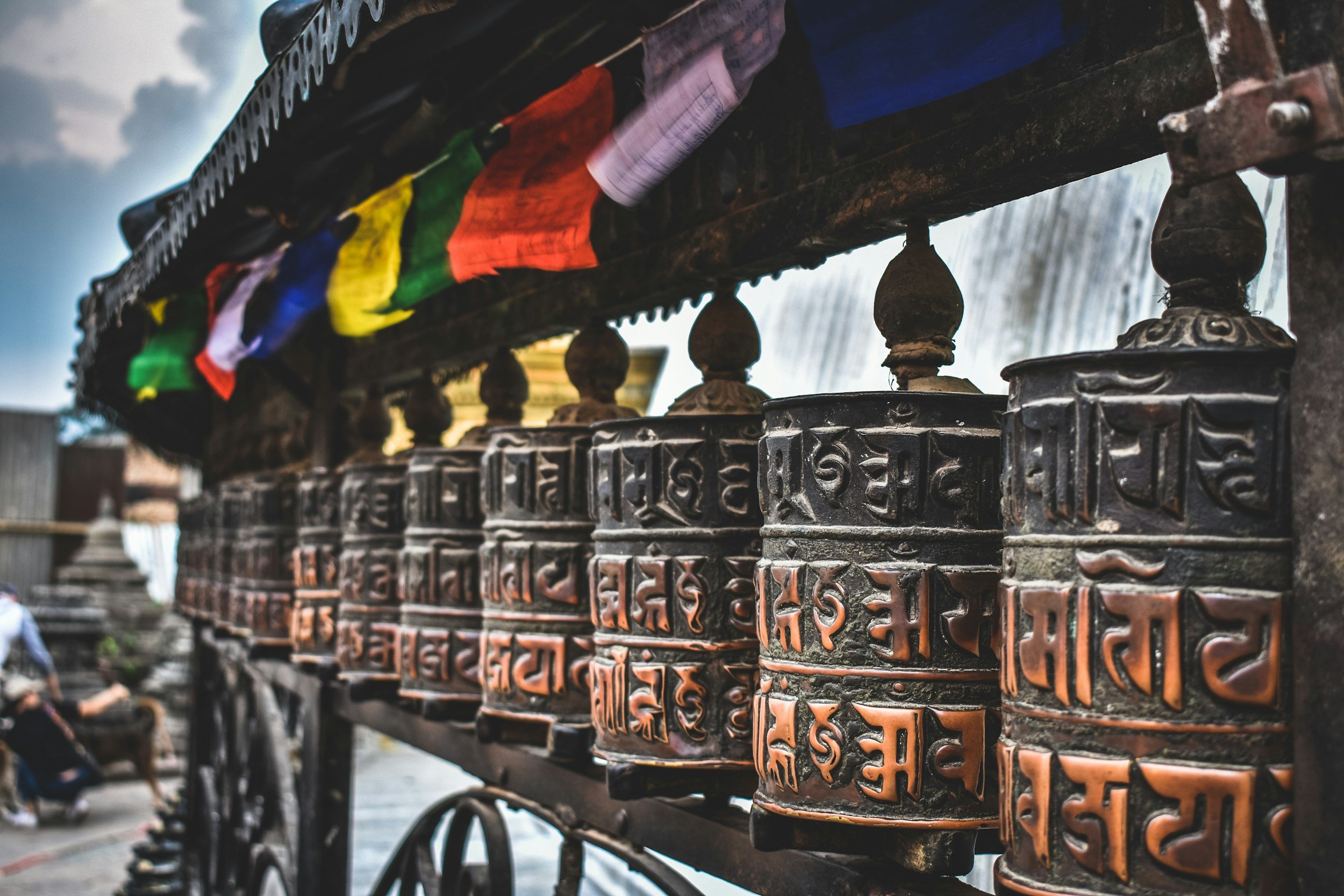
Boudhanath Stupa is one of the largest Buddhist stupas in the world and a major hub for Tibetan Buddhism. People walk around it slowly, clockwise, spinning prayer wheels as part of their daily rhythm. I’m not going there to participate or perform anything. I just want to observe that sense of calm and consistency and see what it feels like to move at that pace.
Swayambhunath, the Monkey Temple, sits high above Kathmandu and has meaning for both Buddhists and Hindus. Getting there means climbing a long set of steps, which feels like a small preview of what’s to come. You slow down, you breathe, and you focus on one step at a time. That theme keeps showing up the more I think about this trip.
Pashupatinath Temple is probably the place I’m approaching with the most respect. It’s one of the most sacred Hindu sites in the world and an active cremation ground along the Bagmati River. Death isn’t hidden there. It’s part of daily life. I expect that visit to be grounding, maybe uncomfortable, but important. It’s a reminder that impermanence isn’t an abstract concept in this culture. It’s something that’s acknowledged openly.
Once the trek begins, those lessons don’t just stop. Along the trail, I’ll pass through places like Tengboche, home to an important Buddhist monastery that plays a central role in Sherpa culture. It’s not just a scenic stop. It’s a place of learning, ceremony, and grounding in an environment that can be harsh and unpredictable.
Then there’s Thukla Pass. I already know that’s going to be heavy. The memorials there honor climbers who lost their lives on Everest. It’s not meant to be symbolic or inspirational. It’s real. Standing there means acknowledging risk, loss, and the reality that preparation doesn’t guarantee outcomes. I think that kind of honesty matters.
What’s surprising me most is how much this journey is already affecting me mentally. Training has become routine, but my mindset feels different. I’m less rushed. I’m more patient. I’m more aware of how I move through my days. This doesn’t feel impulsive or reactionary. It feels considered.
I don’t expect this trek to fix anything in my life. That’s not the point. But I do think it’s helping me recalibrate. It’s reminding me to slow down, to respect the process, and to stay present. If I can carry even a little of that onto the trail and eventually back home with me, then this trip will have already done something meaningful.