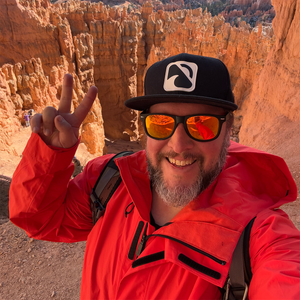
Slow Down: Appreciating Nature at Your Own Pace
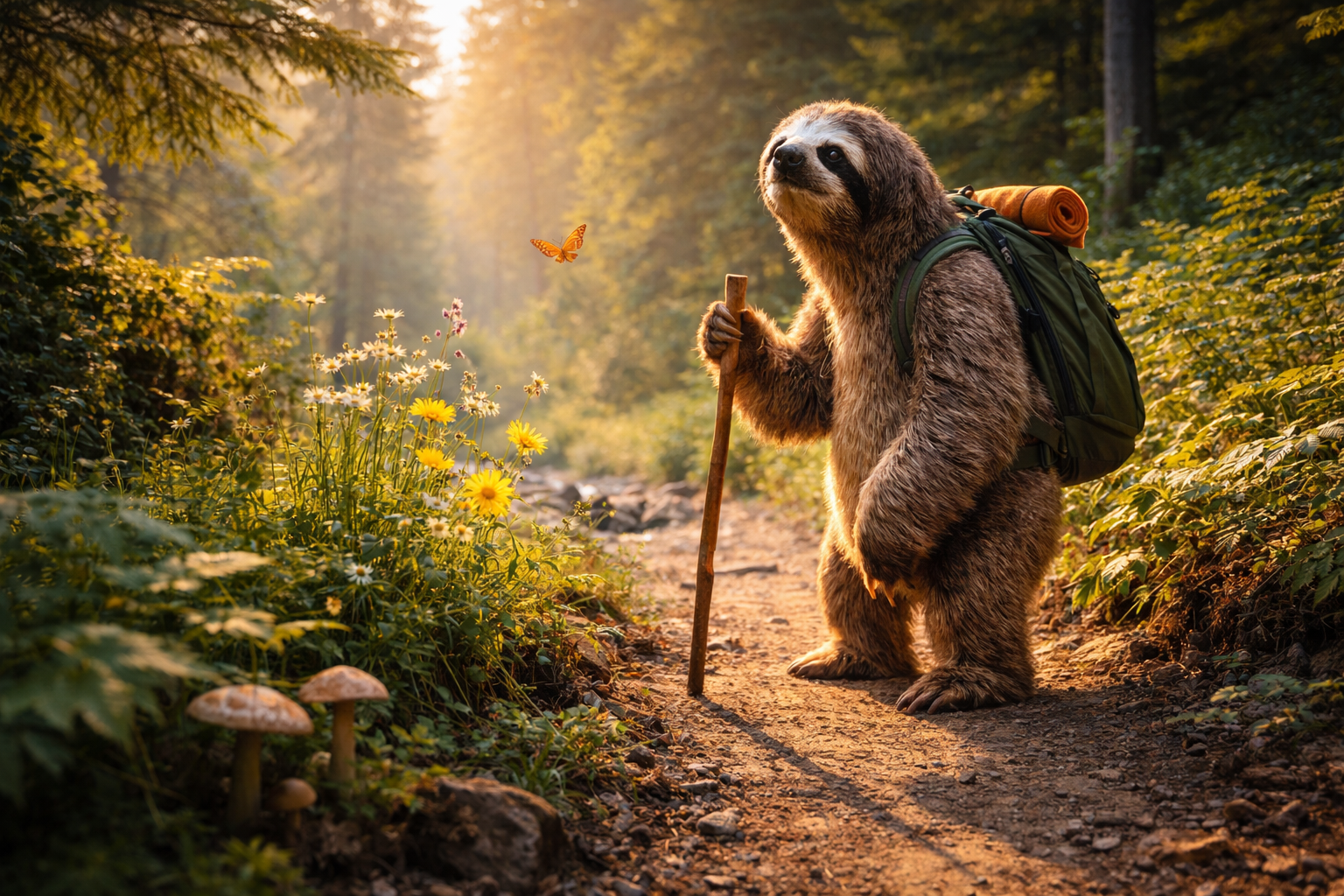
One thing I’ve noticed over the years is how easy it is to turn a hike into a race without even realizing it.
You get on the trail with a destination in mind, maybe a scenic overlook or a certain mileage goal, and before long you’re just moving forward. Step after step, focused on getting there. You might glance around here and there, but most of your attention stays locked on the path ahead.
I’ve done it plenty of times.
There’s nothing wrong with covering miles or pushing yourself physically. That’s part of the experience too. But when that’s the only focus, it’s easy to miss a lot of what makes being outdoors so rewarding in the first place.
Some of the best moments I’ve had on the trail didn’t come from reaching a destination. They came from slowing down enough to actually notice where I was.
Over time, I’ve found that shifting out of that “just keep moving” mindset doesn’t require anything complicated. It’s usually just a matter of making small, intentional choices as you move through the trail.
Sometimes that starts with doing the opposite of what feels natural and just stopping completely. Not slowing down, but actually stopping for a minute or two. Stepping off the trail, standing still, and letting everything around you settle in. When you do that, you start to notice things you would have walked right past. Sounds become clearer, small movements in the trees stand out, and the whole environment feels more alive.
Other times it’s as simple as choosing one small thing and giving it your attention. A plant, a patch of moss, a tree, even just a section of the trail. Instead of walking past it, you take a moment to really look at it. Notice the texture, the color, the shape. You don’t need to know what it is or have a reason for stopping. Just paying attention to something small has a way of naturally slowing you down.
Taking photos can have the same effect, but only if you let it. It’s easy to snap a quick picture and keep moving, but if you take an extra few seconds to frame the shot, adjust your angle, and really look at what you’re capturing, it changes how you experience that moment. You start to notice details you might not have seen otherwise.
Another thing that helps is simply changing your pace on purpose. Most people fall into a steady rhythm and stay there for the entire hike. If you break that pattern, even a little, it shifts your awareness. Walk slower for a stretch, pause briefly, then pick it back up again. It doesn’t need to be structured. Just being intentional with your pace keeps you from slipping into autopilot.
And then there’s the part that takes a bit more practice, letting go of the need to finish. Not every hike has to be about distance or checking something off a list. Some days it’s enough just to be out there, moving at your own pace, stopping when something catches your attention, and not worrying about how far you’ve gone.
When you start approaching the outdoors that way, everything opens up a bit.
Slowing down doesn’t mean you’re doing it wrong. If anything, it means you’re finally giving yourself the time to experience where you are instead of just passing through it.
And the more you do that, the more you start to realize the trail isn’t just about where you’re going.
It’s about everything you notice along the way.