10 Uniquely Florida Animals
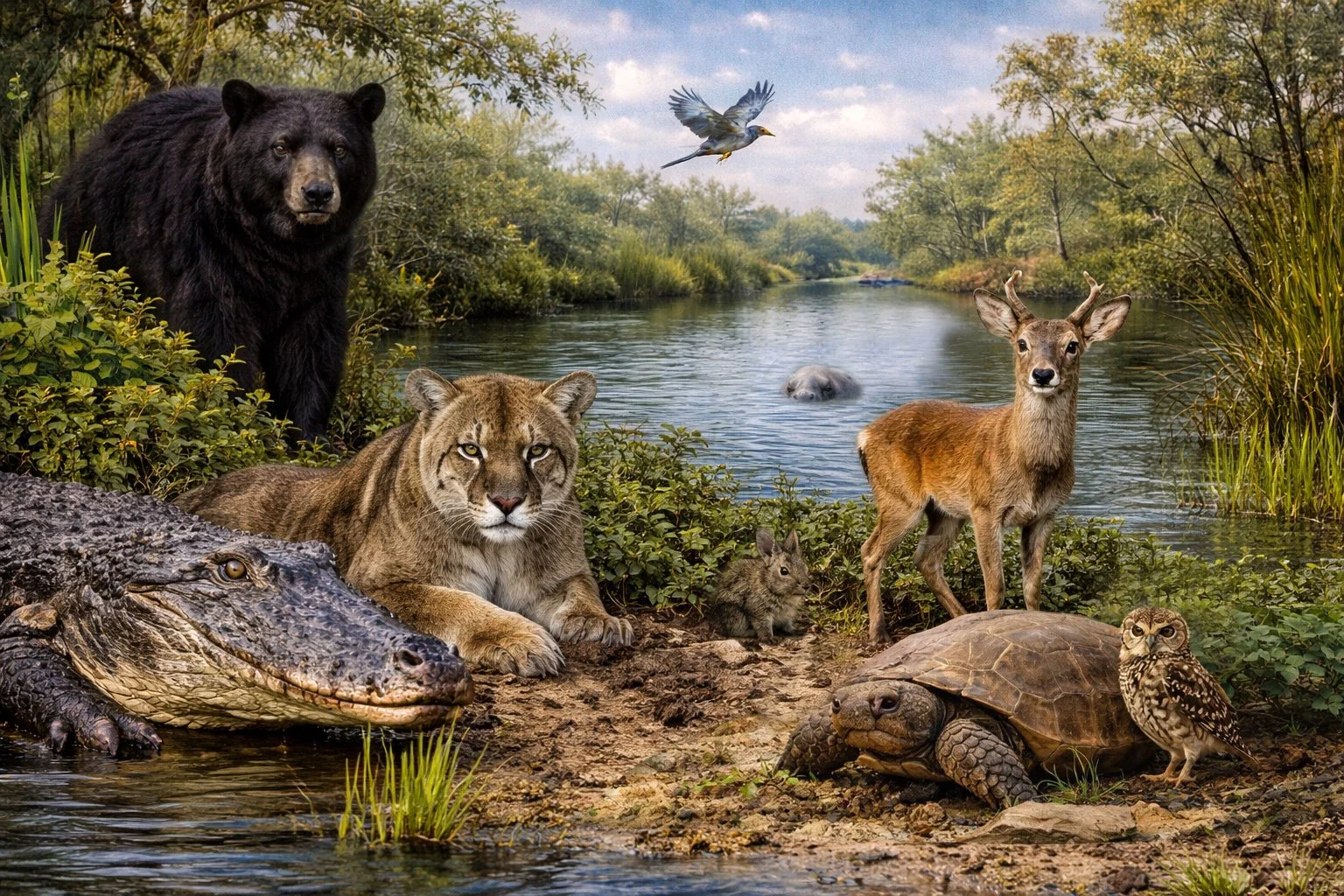
One of the great things about living in Florida is the biodiversity that this state has to offer. No place is this more evident than in the fauna that resides in the Sunshine State.
Here’s a look at 10 of the most unique animals that call Florida home.
American Alligator
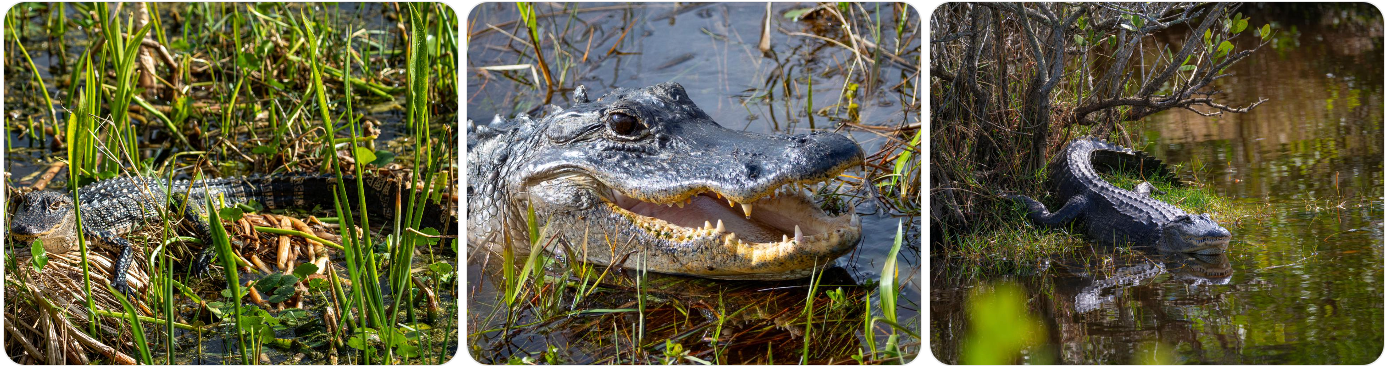
The American alligator is one of the most recognizable animals in Florida, and for good reason. You’ll find them in freshwater environments all across the state, including lakes, slow-moving rivers, marshes, and swamps. They’re especially common in the Everglades, but it’s not unusual to spot one in a neighborhood retention pond.
Alligators are cold-blooded, so you’ll often see them basking in the sun to regulate their body temperature. They’re most active at dusk and nighttime, and while they can move quickly in short bursts, they tend to conserve energy.
One of the most important roles they play in the ecosystem is creating what are known as “gator holes.” These depressions in the ground hold water during dry periods and provide a lifeline for fish, birds, and other wildlife. Without alligators, many wetland systems would struggle to support the same level of biodiversity.
Florida Scrub Jay
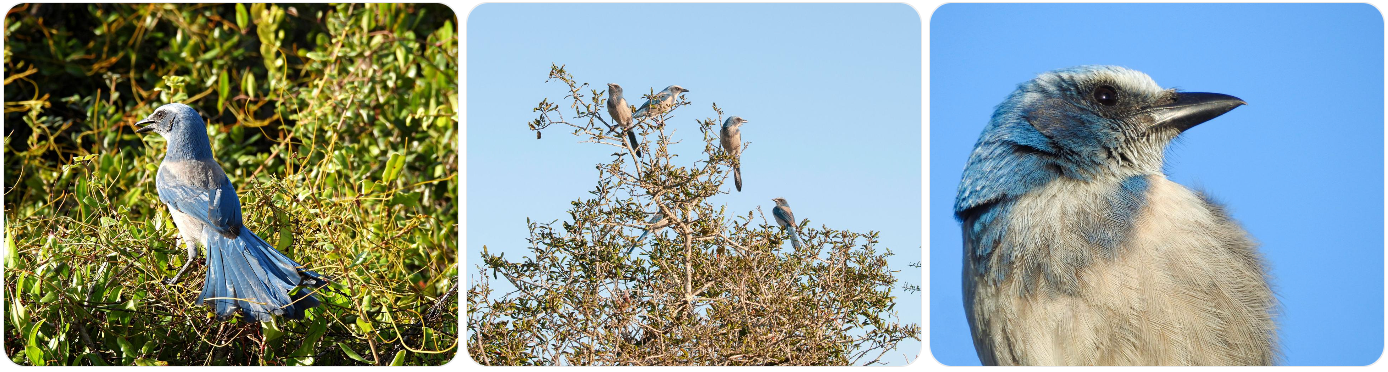
The Florida scrub jay is the only bird species found exclusively in Florida, making it a true endemic species. It lives in scrub habitats, which are sandy, low-growing ecosystems dominated by shrubs and scattered oak trees. These areas are most commonly found in central Florida, including places like Ocala National Forest.
Scrub jays are highly intelligent and social birds. They often live in family groups and are known for their curiosity, sometimes approaching hikers or landing nearby.
What makes them especially important is their reliance on a very specific habitat that depends on periodic fire to remain healthy. As development has reduced scrubland areas, the population of scrub jays has declined, making them a key species in Florida conservation efforts.
Florida Panther
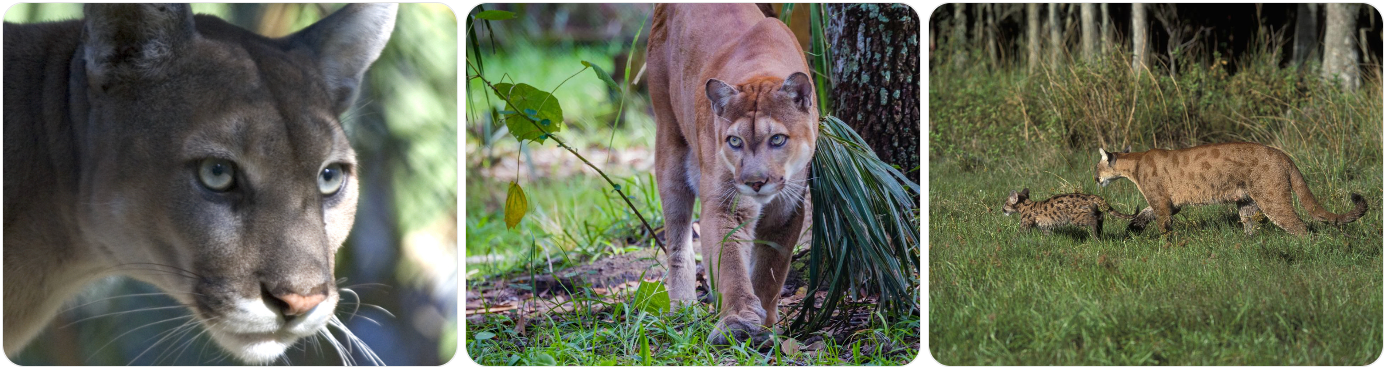
The Florida panther is one of the rarest and most endangered animals in North America. It primarily inhabits South Florida, including the Everglades and Big Cypress National Preserve, where it relies on large, connected areas of forest and wetland to survive.
Panthers are solitary and extremely elusive, so sightings are rare. They tend to avoid humans and are most active at night. Their diet consists mainly of deer, wild hogs, and smaller mammals.
With only an estimated 120 to 230 individuals remaining in the wild, the Florida panther is a powerful symbol of conservation. Protecting their habitat is critical not just for the species itself, but for maintaining the balance of the entire ecosystem they live in.
Key Deer
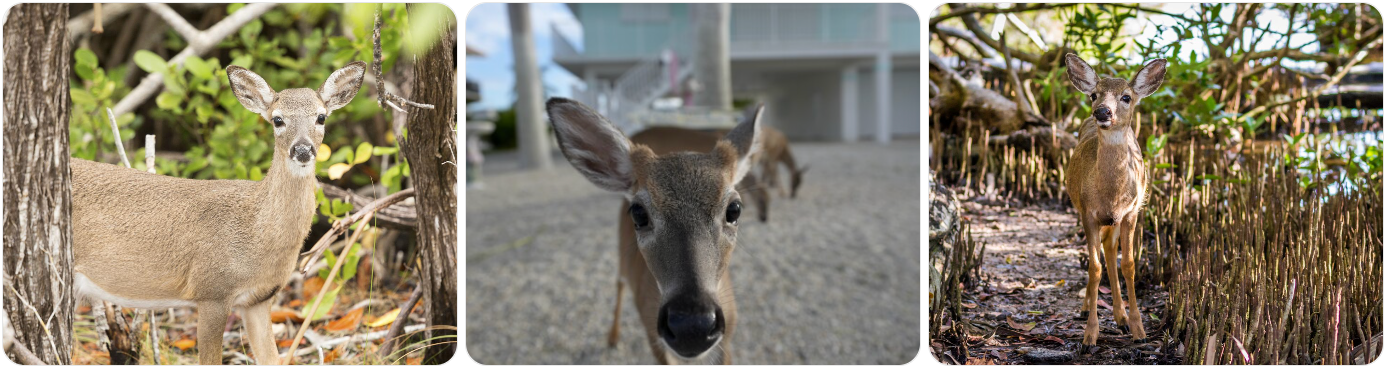
The Key deer is a small subspecies of white-tailed deer found only in the Florida Keys, primarily on Big Pine Key and surrounding islands. They are much smaller than mainland deer, which is a result of island dwarfism, a natural adaptation to limited resources.
Key deer are often seen near residential areas, and while they may appear comfortable around people, they are still wild animals and should be treated as such.
Their habitat includes pine rocklands, hardwood hammocks, and mangrove forests. Because their range is so limited, they are especially vulnerable to habitat loss, vehicle collisions, and human interaction.
Their uniqueness and limited range make them one of the most protected and closely monitored species in Florida.
Roseate Spoonbill
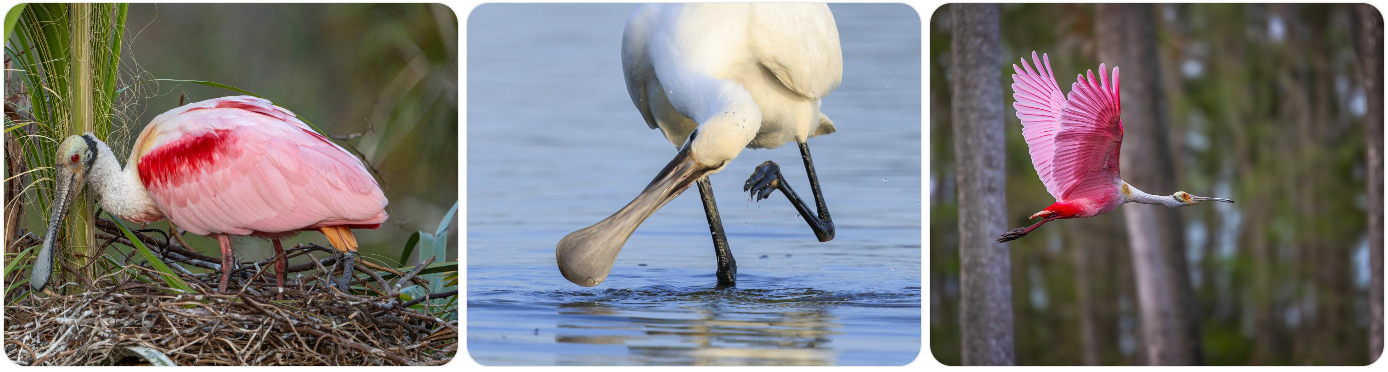
The roseate spoonbill is one of the most visually striking birds you’ll encounter in Florida. Its bright pink feathers and long, spoon-shaped bill make it easy to identify, especially in shallow coastal waters.
You’ll typically find them in mangroves, estuaries, and coastal wetlands, particularly in South Florida and along the Gulf Coast. They feed by sweeping their bills side to side in the water, detecting prey like small fish and crustaceans through touch.
Their pink coloration comes from the pigments in their diet, similar to flamingos.
Spoonbills are also considered an indicator species, meaning their presence can tell us a lot about the health of wetland ecosystems.
Marsh Rabbit
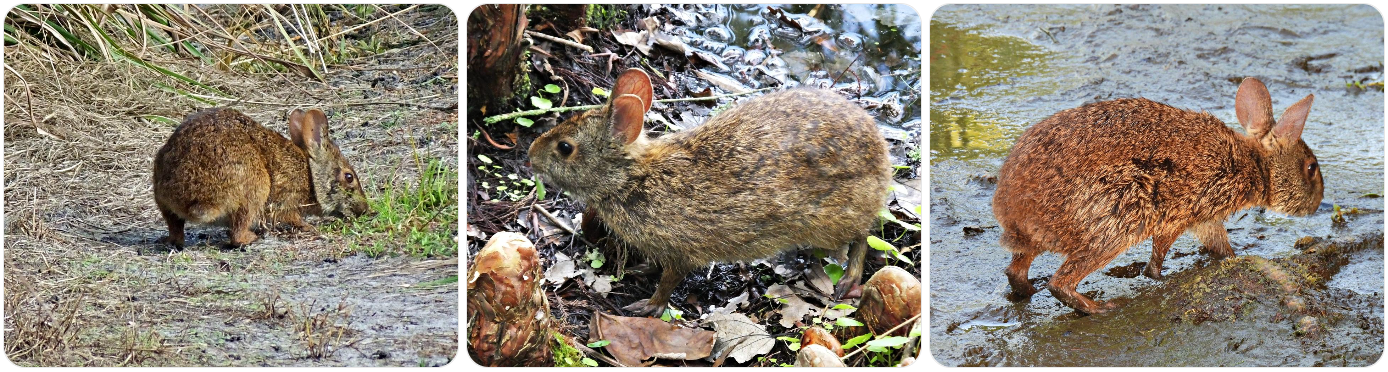
Marsh rabbits are commonly found in wetlands, marshes, and areas with dense vegetation near water throughout Florida. They are well adapted to these environments and are often seen near the edges of ponds, swamps, and coastal marshes.
Unlike most rabbits, marsh rabbits are strong swimmers and will enter the water to escape predators. This ability allows them to thrive in habitats that many other small mammals avoid.
They are typically most active at dawn and dusk and rely on thick vegetation for cover.
Their presence is a good indicator of healthy wetland environments, as they depend on dense, undisturbed plant life for survival.
Manatees
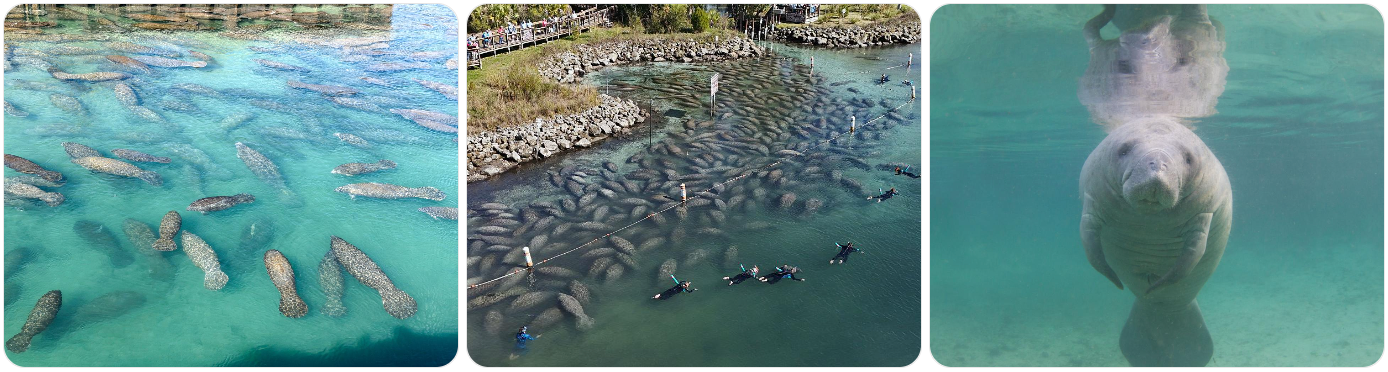
Manatees are large, slow-moving marine mammals that inhabit Florida’s rivers, springs, and coastal waters. They are most commonly associated with warm-water areas, especially during the winter months when they gather in natural springs like those found in Crystal River.
Manatees are herbivores and spend much of their time grazing on seagrass and aquatic vegetation. Despite their size, which can exceed 1,000 pounds, they are gentle and slow-moving.
They face threats from boat strikes, habitat loss, and changes in water temperature.
Manatees are one of Florida’s most beloved animals and have become a symbol of conservation, with ongoing efforts to protect their habitats and reduce human impact.
Burrowing Owl
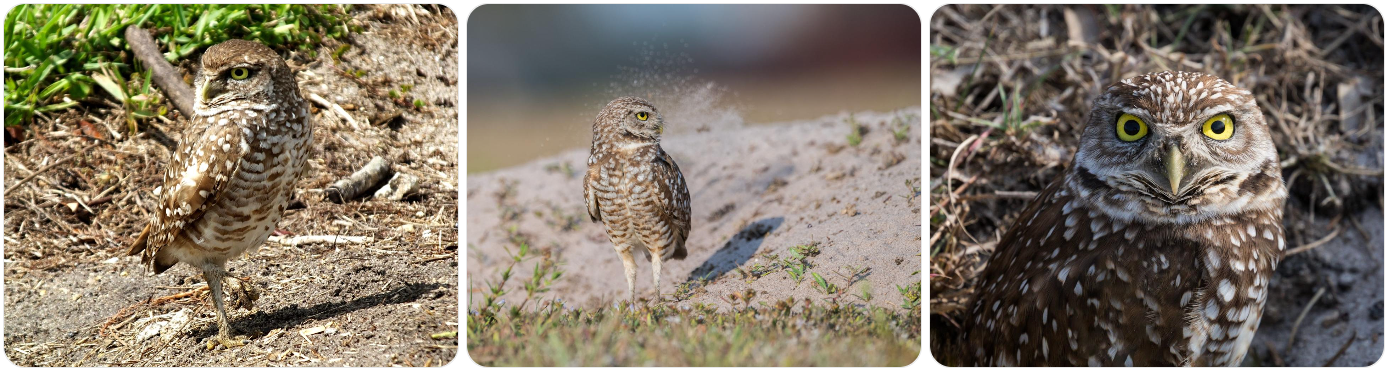
Burrowing owls are small, long-legged owls that live in open, dry areas such as grasslands, prairies, and even urban spaces like vacant lots and golf courses in parts of Florida.
Unlike most owls, they live underground in burrows, which they either dig themselves or take over from other animals.
They are also active during the day, which makes them easier to spot than many other owl species.
Burrowing owls are particularly sensitive to habitat disruption, and their presence often reflects how well an area has preserved open, undeveloped land.
Florida Black Bear
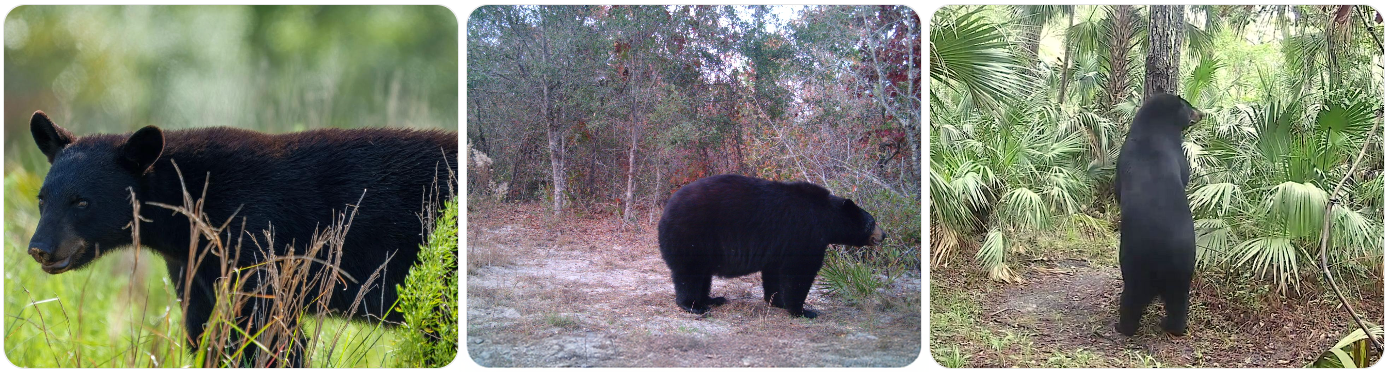
The Florida black bear is a subspecies of the American black bear and can be found in large forested areas across the state, including Ocala National Forest, Apalachicola National Forest, and Big Cypress.
They are omnivores, with a diet that includes berries, nuts, insects, and small animals. Bears play an important ecological role by dispersing seeds and helping maintain plant diversity.
They are generally shy and prefer to avoid human interaction, but encounters can happen, especially in areas where development overlaps with natural habitat.
As Florida continues to grow, managing human and bear interactions has become an important part of conservation efforts.
Gopher Tortoise
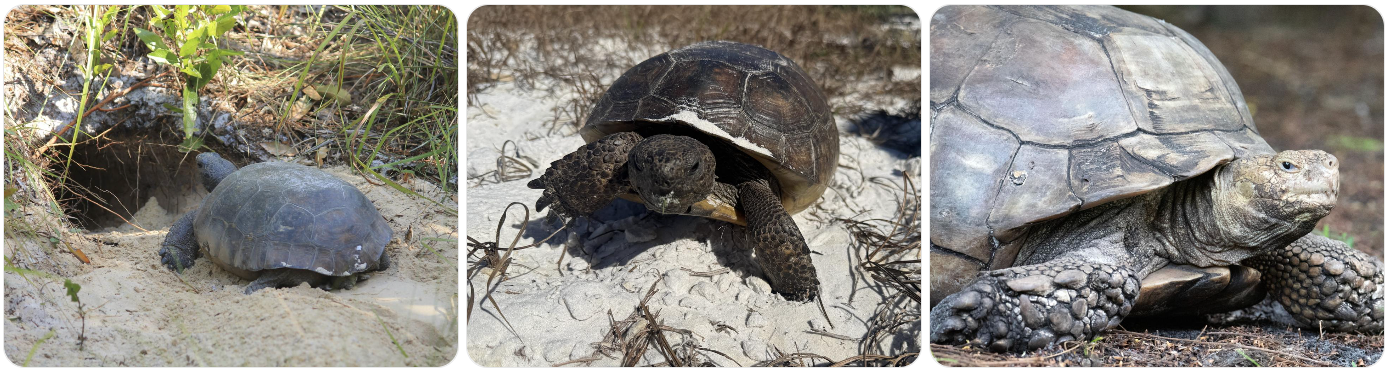
The gopher tortoise is a land-dwelling reptile found in dry, sandy habitats such as pine flatwoods, scrub, and coastal dunes.
They are best known for digging extensive burrows, which can be over 30 feet long and provide shelter not only for the tortoise but for more than 300 other species, including snakes, frogs, and small mammals.
Because of this, the gopher tortoise is considered a keystone species.
They are slow-moving and often seen near their burrow entrances, especially on warm days. Habitat loss is their biggest threat, making conservation and land management critical to their survival.
Florida’s wildlife is one of the things that makes getting outdoors here so rewarding. Whether you’re hiking a trail, walking a boardwalk, or exploring a wetland, there’s always a chance you’ll come across something unique.
And the more you learn about what you’re seeing, the more meaningful those encounters become.