Training For Altitude At Sea Level
Training for Everest Base Camp while living at sea level has been one of the most humbling parts of this entire process. I live in Florida. It’s flat, humid, and about as far from the Himalayas as you can get. No altitude. No long sustained climbs. No thin air forcing your lungs to adapt. Just heat, sweat, and a lot of creative problem solving.
One of the biggest mental hurdles has been trusting the process. When you train at altitude, the feedback is immediate. You feel the struggle. At sea level, it’s quieter. You can be doing all the right things and still question whether it’s enough. I’ve had plenty of workouts where I felt strong, followed by days where I felt winded and sluggish for no obvious reason. That inconsistency messes with your head if you let it.
Heat has been both a curse and an accidental teacher. Florida humidity turns even moderate workouts into endurance sessions. Your heart rate climbs faster, hydration becomes critical, and recovery matters more than you want to admit. I’ve had to learn to slow down, stay patient, and respect my limits instead of pushing blindly through every session.
What My Training Routine Looks Like
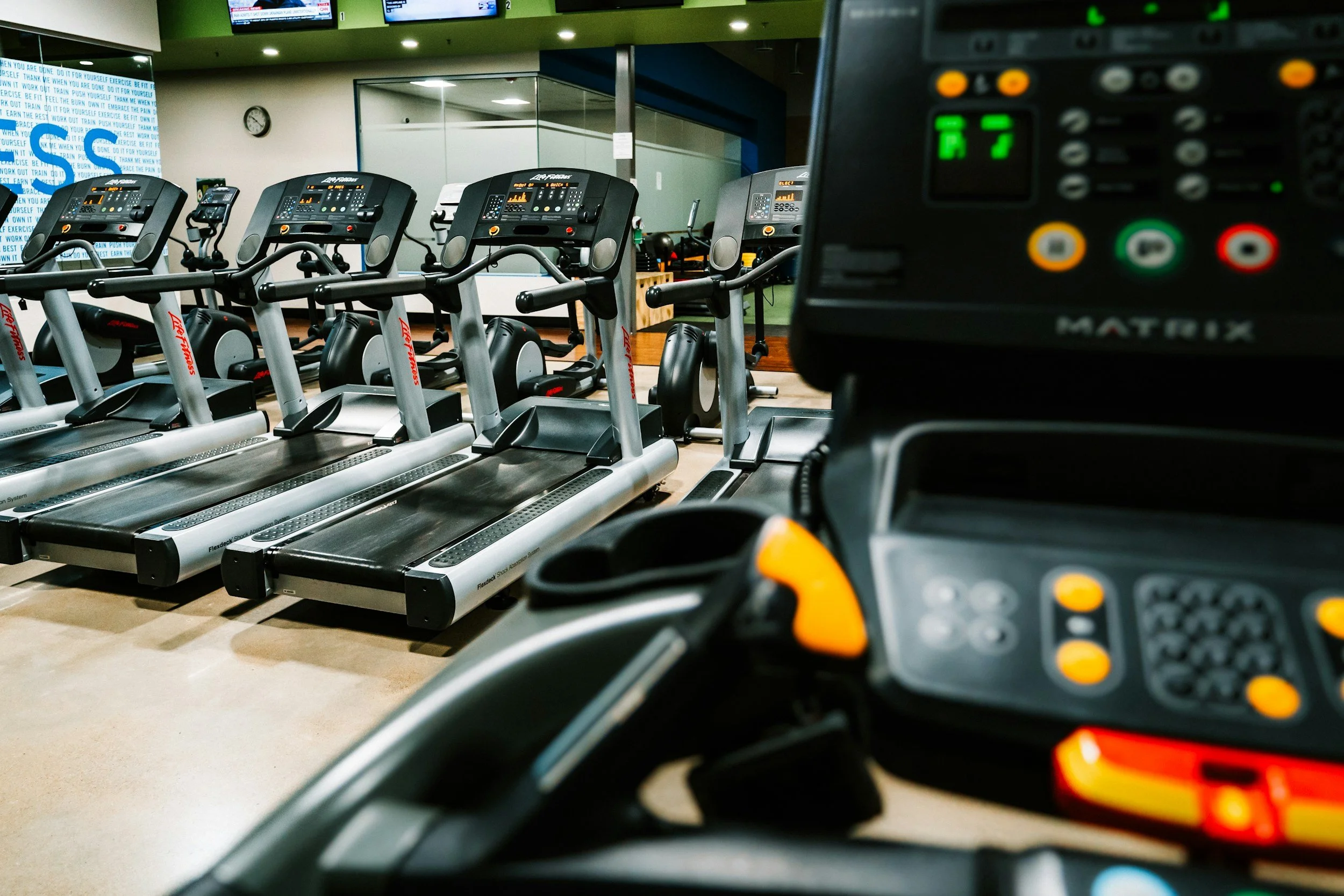
My routine is not flashy. It’s built on repetition and showing up even when motivation is low. The foundation has been incline treadmill work, gradually increasing both time and intensity. Long, steady climbs where my goal is not speed, but consistency. This mimics the sustained uphill effort I will face on the trail far better than short bursts ever could.
Strength training supports everything. Legs, core, and stability work take priority. Squats, lunges, step ups, and balance exercises are all in the mix. I’m not training to look strong. I’m training to carry weight uphill day after day without breaking down.
Rucking has become a key part of my week. I slowly introduced weight and now train with more than I plan to carry on the trek itself. The goal is simple. Make the real load feel manageable when it matters. Footwear, pack fit, and pacing all get tested here, not on the mountain.
Recovery has been a lesson in maturity. Stretching, mobility, sleep, hydration, and rest days are non negotiable now. I’ve learned the hard way that skipping recovery just delays progress. This is a long game.
My 16 Week Everest Base Camp Training Plan
This is the structure I’ve been following. It’s not perfect, and it continues to evolve, but it has given me a framework that feels realistic and sustainable:
Weeks 1 to 4: Base Building
This phase is about laying the groundwork. I’m not chasing performance yet. I’m building consistency and teaching my body how to show up day after day. The focus is on forming routines, protecting my joints, and resisting the urge to do too much too soon.
Incline treadmill walking for 30 to 45 minutes, typically around 8 to 12 percent
Steady pace focused on time on feet, not speed
Strength training two to three days a week
Exercises include bodyweight and light-loaded squats, lunges, step ups, and core work
Rucking once or twice a week with low weight to ease into carrying a pack
Emphasis on stretching, mobility, and learning what recovery actually feels like
Weeks 5 to 8: Endurance and Volume
This is where the work starts to feel real. Sessions get longer and fatigue becomes more noticeable. I’m learning how to pace myself and stop treating every workout like a test. This phase is about building durability and understanding how my body responds under longer efforts.
Incline treadmill sessions extend to 45 to 60 minutes at 10 to 12 percent
Heart rate stays in a sustainable zone rather than pushing intensity
Ruck sessions increase in both distance and weight
Strength training becomes more intentional and structured
Exercises include weighted squats, lunges, step ups, box jumps, and core stability work
Balance and single-leg work are added to reduce injury risk
Recovery days are planned instead of accidental
Weeks 9 to 12: Load and Specificity
This phase is the most challenging mentally. The training isn’t just hard. It’s repetitive and demanding in a way that tests patience. The goal here is to simulate the realities of trekking as closely as possible and build confidence through discomfort.
Long incline sessions stay steady at 45 to 60 minutes around 12 percent
Rucking happens with heavier weight than I plan to carry on the actual trek
Back-to-back training days simulate multi-day hiking fatigue
Strength sessions focus on endurance rather than max effort
Exercises include heavier squats, lunges, step ups, and controlled plyometrics
Extra attention goes to mobility, hydration, and sleep
I train on tired legs without forcing bad form
Weeks 13 to 15: Peak Conditioning
At this point, the foundation is there. This phase is about sharpening what I’ve already built, not adding anything new. The focus shifts to confidence, consistency, and dialing in every detail that can be controlled before the trip.
Incline treadmill sessions stay long and steady at 12 percent
Rucking remains consistent with near-final pack weight
Strength training is maintained but slightly reduced in volume
Gear is tested during rucks, including boots, socks, and pack setup
Nutrition and hydration strategies are refined
No new exercises or training methods are introduced
The goal is to feel strong and capable, not exhausted
Week 16: Taper and Reset
This final week is about restraint. The work’s done, even if it feels uncomfortable to pull back. The focus shifts from building fitness to arriving at the start of the trek healthy, rested, and mentally ready.
Training volume drops significantly
Movement stays light and intentional
Light incline walking or easy outdoor walks
Stretching, mobility, and recovery work take priority
Short, low-weight rucks only if they feel good
Extra focus on sleep, hydration, and mental preparation
I resist the urge to squeeze in one more hard workout
I’m sharing this because training for something like Everest Base Camp can feel intimidating, especially if you do not live anywhere near mountains. You don’t need perfect conditions. You need commitment, patience, and a willingness to adapt. This process has taught me as much about discipline and self trust as it has about physical endurance.
This trek starts long before Nepal. It starts on treadmills, in humid air, on quiet mornings when nobody is watching. And if you are training for something big of your own, I hope this gives you a little clarity, reassurance, and motivation to keep going.