What to Bring On An EBC Trek
One of the questions I get asked the most is what I’m actually bringing with me to Everest Base Camp. The short answer is less than you think, but more intentionally than you’d expect.
Packing for a trek like this isn’t about throwing everything you own into a duffel and hoping for the best. It’s about understanding layers, weight, repetition, and comfort. You wear the same things over and over. You get very familiar with your gear. And every item you bring earns its place.
I’m trekking with World Expeditions, which means some big items are provided, like a down jacket, sleeping bag, and duffel. That helps simplify things, but there’s still plenty to think through. Here’s how I’m approaching it.
My Layering Philosophy
Layers matter more than individual pieces. Weather changes quickly in the Himalayas, and you’re constantly moving between cold mornings, warm climbs, windy ridgelines, and freezing nights.
I’m building everything around a simple system:
Base layer to manage sweat
Mid layer for warmth
Outer layer for wind and weather
Nothing fancy. Nothing redundant. Just pieces that work well together.
Clothing I’m Bringing
This is the stuff I’ll live in for two plus weeks. Comfort and familiarity matter more than looking good.
Broken-in hiking boots with room for swelling
Waterproof jacket with a hood that fits over layers
Waterproof pants for rain and snow
Lightweight hiking pants, quick-drying
Base layers, both lightweight and warmer options
Mid layer like a softshell or light insulated jacket
Down jacket for camp and high-altitude days
Hiking socks and liner socks
Gloves, both lightweight liners and warm outer gloves
Beanie and sun hat
Neck gaiter or buff
Camp shoes or lightweight runners
I’m skipping anything that hasn’t already been tested on long walks or rucks. If it hasn’t earned my trust at home, it doesn’t come to Nepal.
Packs and Bags
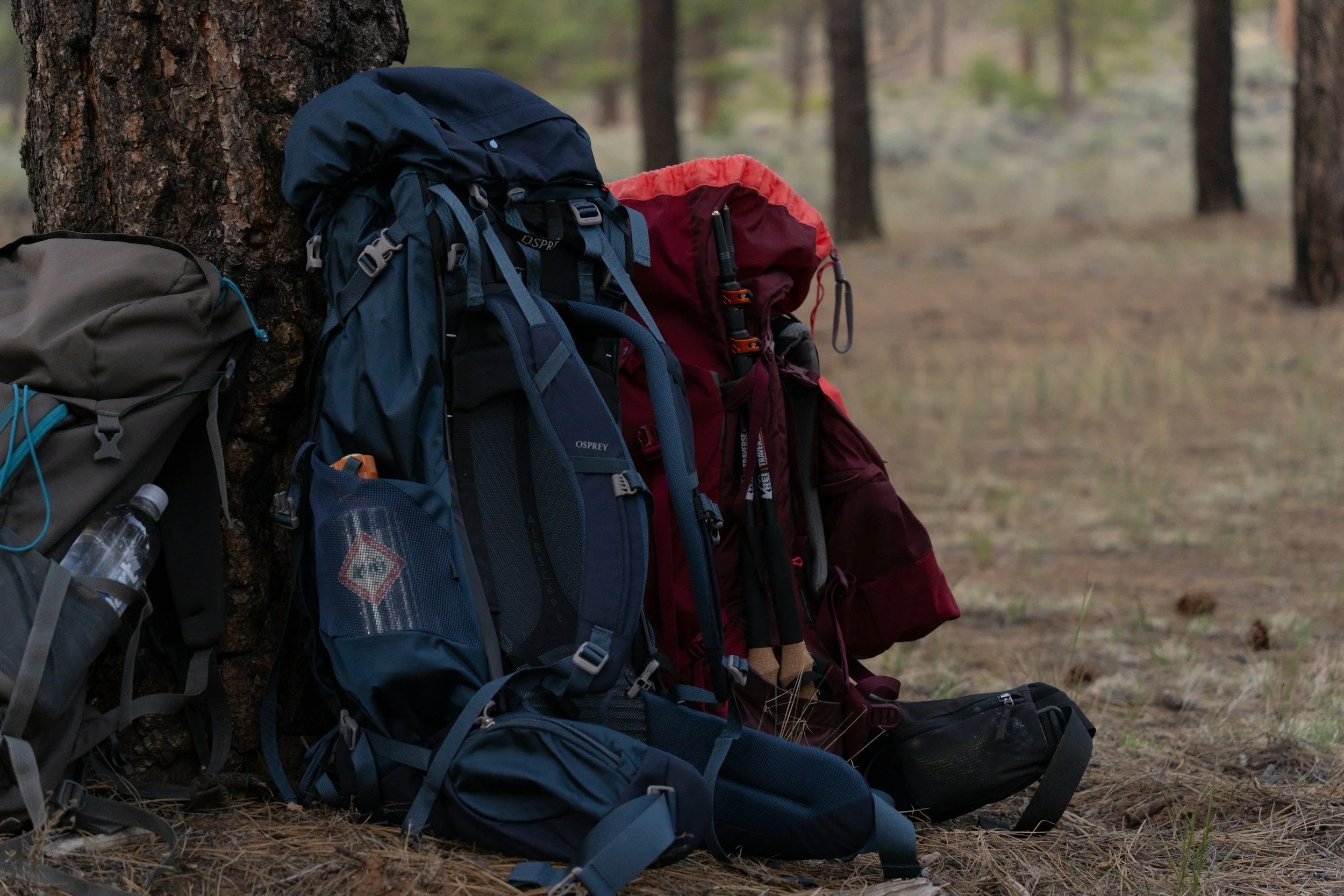
I’ll carry a daypack during the trek, and everything else gets transported by porters.
Daypack that fits comfortably with layers
Soft-sided duffel provided by the outfitter
Dry bags or packing cubes for organization
My daypack will hold layers, water, snacks, sunscreen, camera gear, and anything I might need during the day. Simple and accessible.
Sleeping and Camp Comfort
World Expeditions provides a sleeping bag, liner, and down jacket, which is a huge help. I’m still bringing a couple small things to stay comfortable.
Sleeping bag liner for warmth and cleanliness
Earplugs, because camps can be louder than you expect
Lightweight camp layers reserved only for evenings
The rule here is dry equals warm. Once I’m in camp, I change immediately.
Health, Hydration, and Small Essentials
These are the things you don’t think about until you really need them.
Sunscreen and SPF lip balm
Blister care and basic first aid
Personal medications
Electrolytes
Hand sanitizer and wet wipes
Reusable water bottles or hydration system
Headlamp with extra batteries
Staying healthy on the trail is about prevention, not reaction.
Tech and Extras
I’m keeping tech minimal. Power is limited and heavy gear gets old fast.
Phone
Power bank
Charging cables
Camera and spare batteries
No drone. No laptop. This trip isn’t about documenting everything perfectly. It’s about being present.
Everest Base Camp Packing Checklist
Here’s a simplified checklist you can use if you’re planning your own trek:
Clothing
☐ Hiking boots
☐ Waterproof jacket
☐ Waterproof pants
☐ Hiking pants
☐ Base layers
☐ Mid layer
☐ Insulated jacket
☐ Hiking socks and liners
☐ Gloves
☐ Beanie
☐ Sun hat
☐ Neck gaiter
Packs and Bags
☐ Daypack
☐ Duffel bag
☐ Packing cubes or dry bags
Sleep and Camp
☐ Sleeping bag or liner
☐ Camp clothes
☐ Earplugs
Health and Essentials
☐ Sunscreen
☐ Lip balm
☐ First aid and blister care
☐ Medications
☐ Electrolytes
☐ Water bottles
☐ Headlamp
Tech
☐ Phone
☐ Power bank
☐ Camera
☐ Charging cables
Packing for Everest Base Camp isn’t about having the best gear. It’s about having the right gear, knowing how to use it, and trusting it when conditions get uncomfortable.
If you’re planning a trek of your own, start early, test everything, and remember that simplicity goes a long way in the mountains.