What Not To Pack - An EBC Lesson In Packing Light
Everest Base Camp has a funny way of making people want to bring everything they own. Extra layers. Backup gear for the backup gear. Just in case items that never leave the bottom of a pack. I get it. This is a big trip. But the more I dig into the logistics, the more obvious it becomes that overpacking is one of the easiest ways to make this harder than it needs to be.
This trek isn’t about comfort through excess. It’s about efficiency, simplicity, and carrying only what actually matters. Weight is limited for a reason, and every unnecessary item comes with a cost, whether that’s physical fatigue, mental clutter, or just fighting your own pack all day.
Weight Limits Force You to Be Honest
One of the best things about this trip is that it doesn’t let you lie to yourself about what you really need. There’s a strict 15kg limit for your main duffel, and that includes items already provided like the sleeping bag and down jacket. Your day pack has its own limit too, especially on the flight into Lukla, where weight is non negotiable.
That immediately changes the conversation. You don’t pack for “what if.” You pack for what’s required to walk, stay warm, eat, sleep, and recover. Everything else gets questioned.
If it doesn’t serve those goals, it doesn’t come.
What I’m Not Bringing
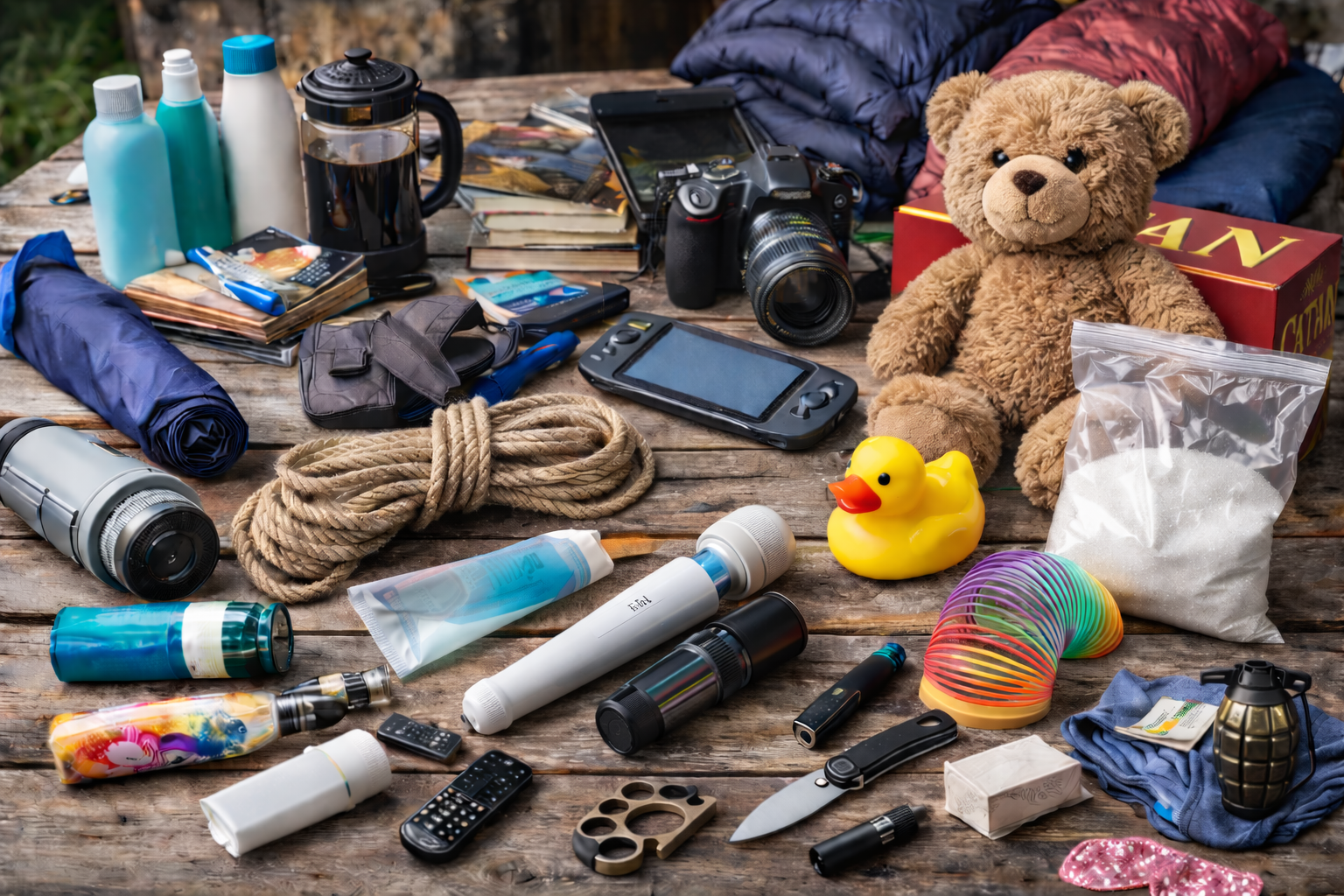
I’m intentionally leaving behind a lot of things that feel comforting at home but don’t earn their place on this trek.
I’m not bringing:
Multiple outfit changes for each day
Heavy camp shoes or bulky sandals
Extra jackets that overlap in function
Full size toiletries or duplicate hygiene items
Big camera setups or unnecessary tech
Books, journals, or gear I can’t realistically use daily
If something only solves a problem I’m unlikely to face, it’s out. If two items do the same job, one stays home.
The Day Pack Reality Check
Your day pack is where minimalism really shows up. This is what you carry for hours every single day, and it needs to stay light.
For me, that means:
A rain shell or outer layer
One insulating layer depending on conditions
Water bottles
Snacks
Sunscreen and lip balm
Meds and personal essentials
Phone or small camera
That’s it. No backup outfits. No extra shoes. No “might as well bring it” items. The goal is to forget about the pack while walking, not constantly feel it shifting or pulling on your shoulders.
Why Packing Light Matters More Than Comfort Items
This trek isn’t about having everything. It’s about moving steadily, breathing well, and staying present. Every extra pound adds up over long days and uneven terrain. More weight means more fatigue, slower recovery, and less margin when conditions get tough.
Packing light also simplifies decisions. Fewer clothes means less thinking. Fewer options means quicker mornings. Less gear means less to manage when you’re already tired.
There’s a mental clarity that comes from knowing everything you need is already on your back, and nothing you don’t need is weighing you down.
This Trip Is About Intentional Simplicity
The more I prepare, the more this trek feels like a reset. Not just physically, but mentally. Carrying less feels aligned with why I’m doing this in the first place. It forces focus. It rewards discipline. It strips things down to what actually matters.
I’m not going to Everest Base Camp to prove I can endure discomfort with unnecessary gear. I’m going to walk, breathe, listen, and move forward one step at a time. Packing light supports that goal in a very real way.